UX/UI Case Study



Project Overview
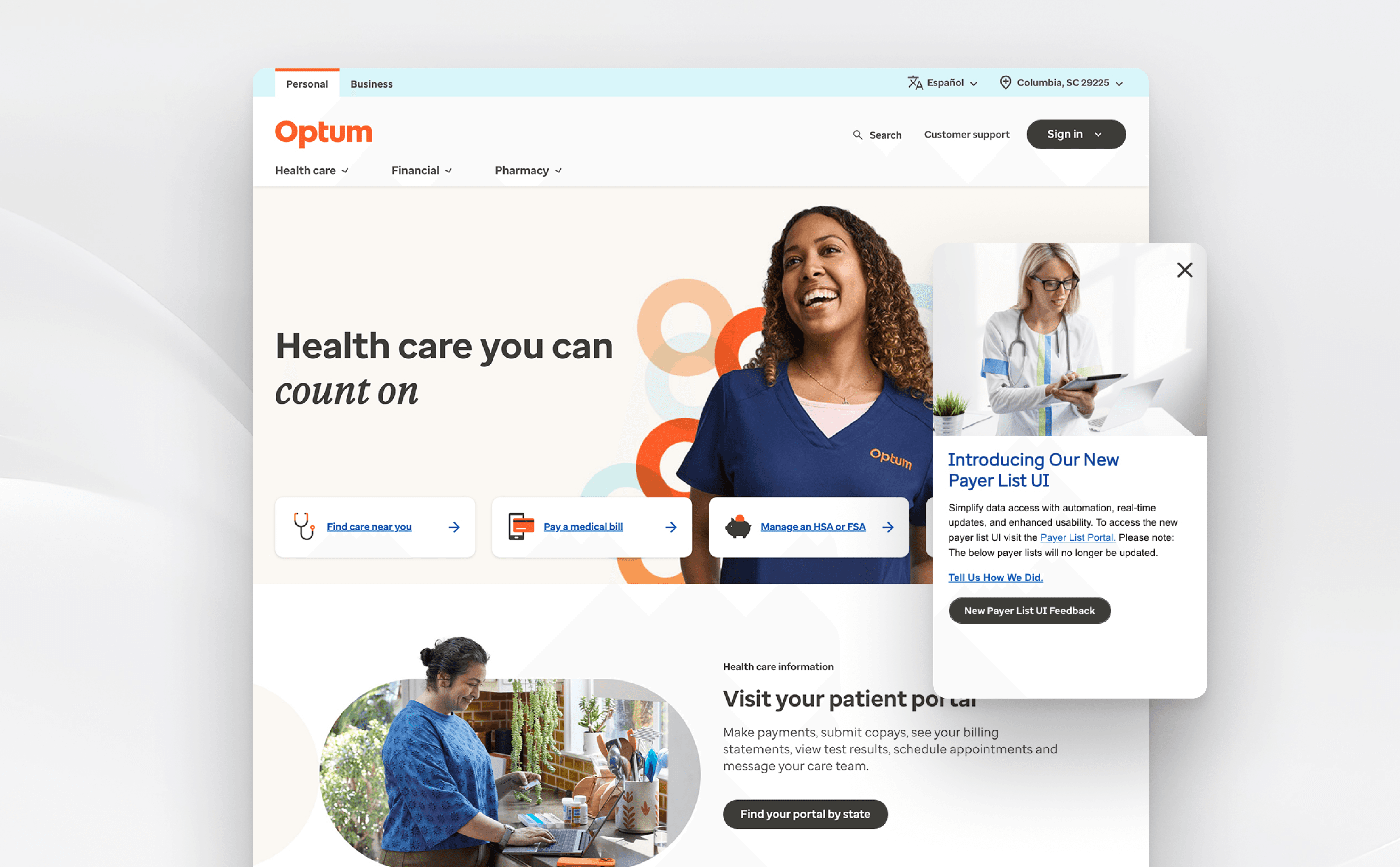
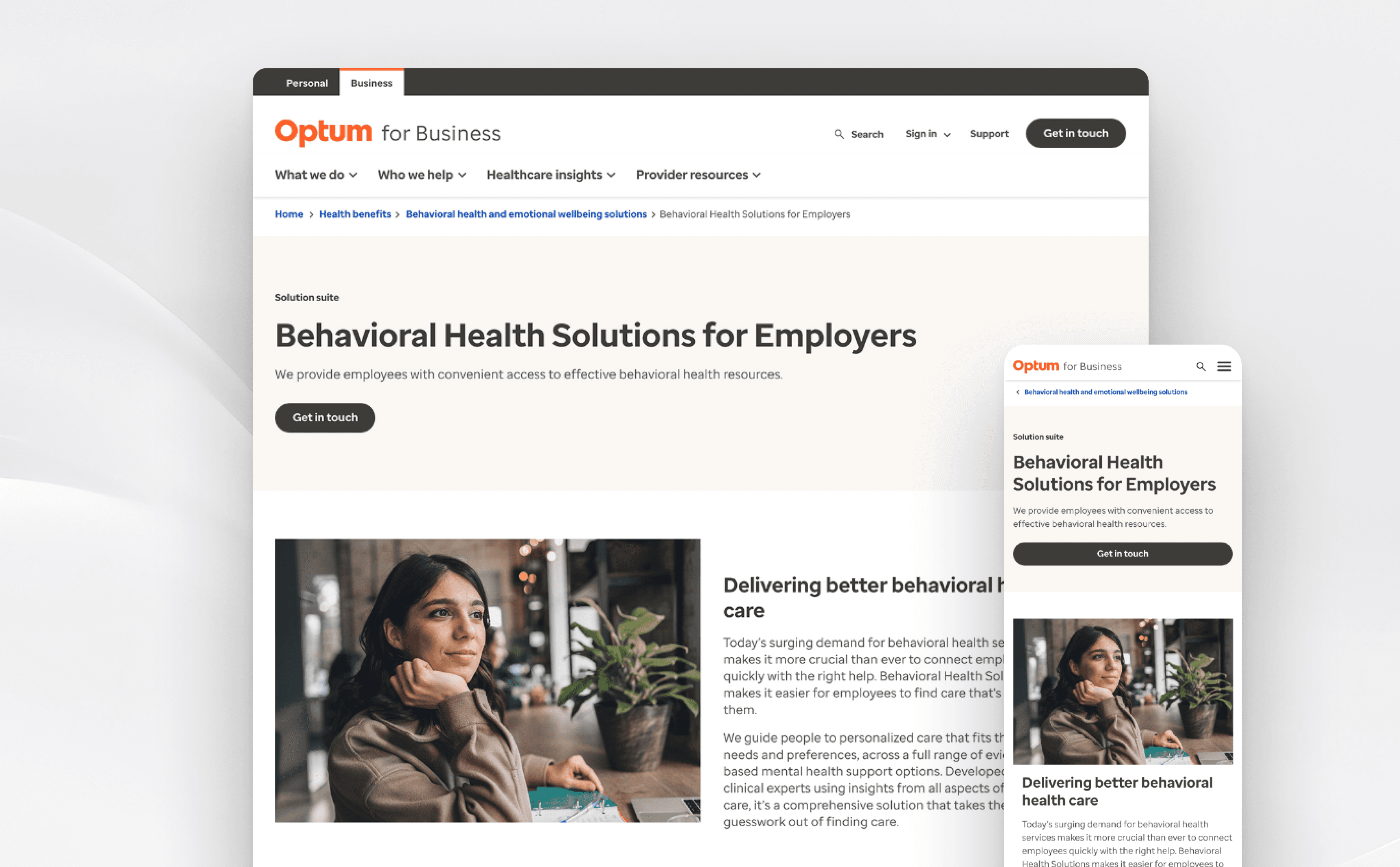
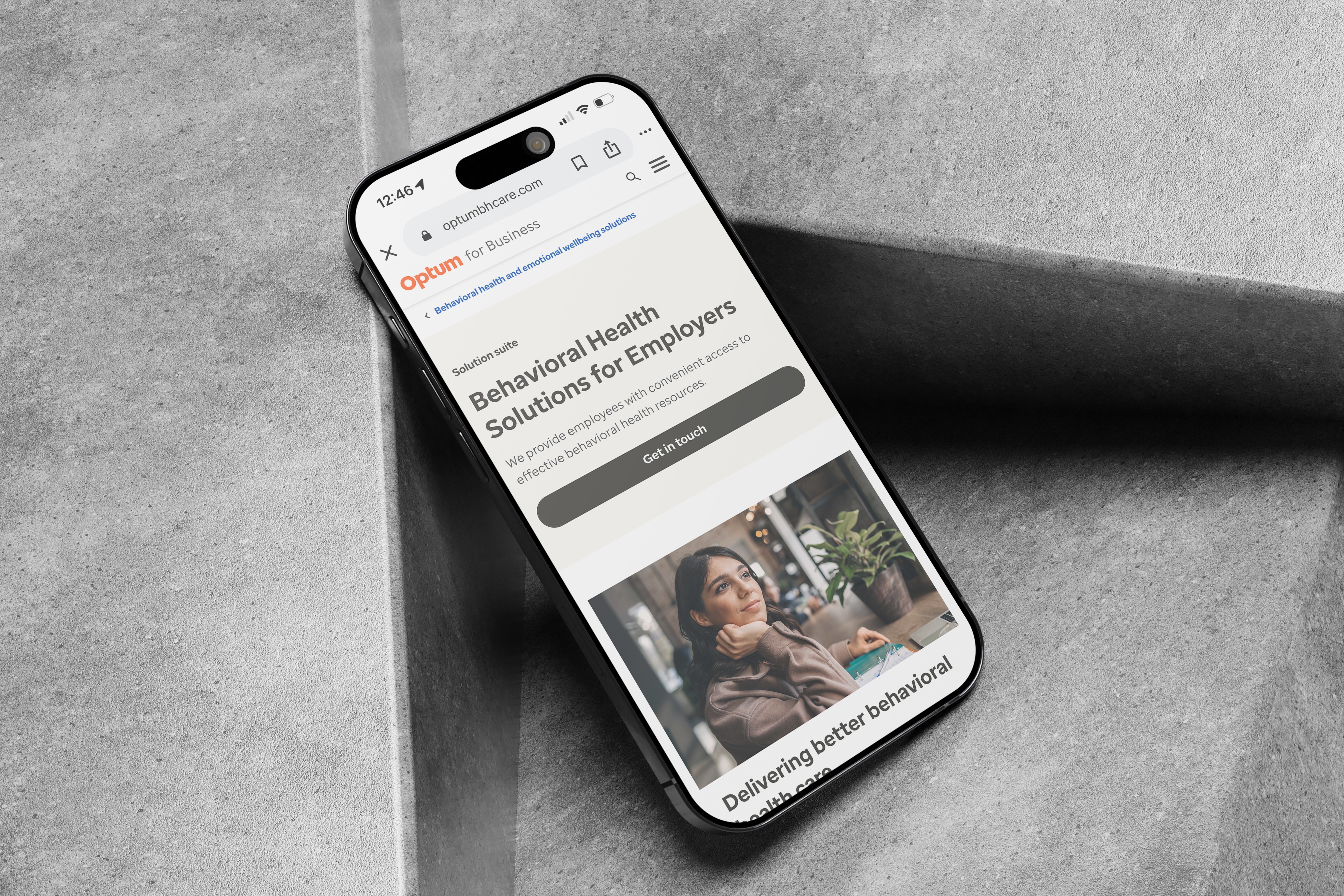
This project focused on redesigning Optum’s behavioral health employer experience to transform a complex enterprise healthcare platform into a clear, accessible, and trustworthy decision-making tool. This will reduce cognitive load through progressive disclosure, improve content clarity, and accessibility. The goals are to drive stronger engagement by enabling employers to make confident, informed decisions about behavioral health benefits.
The Challenge
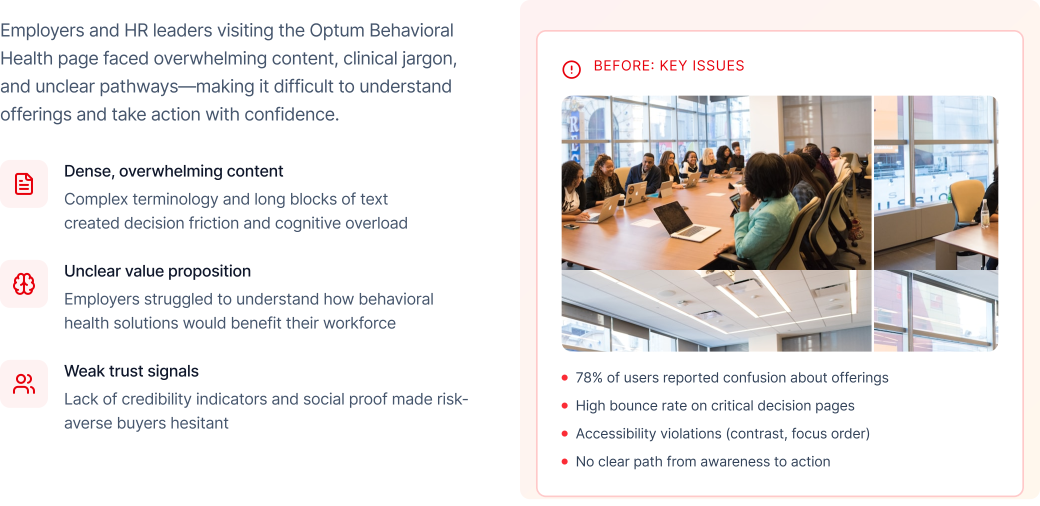
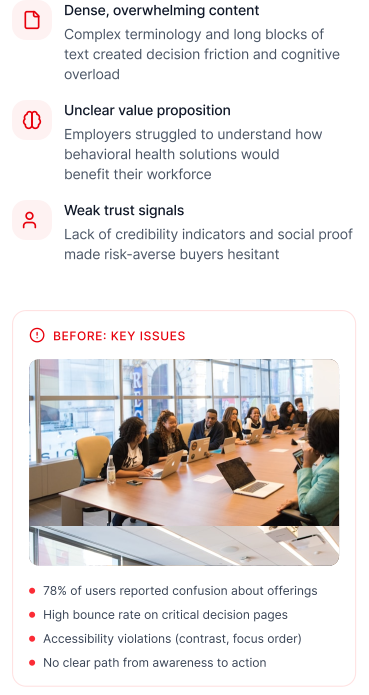
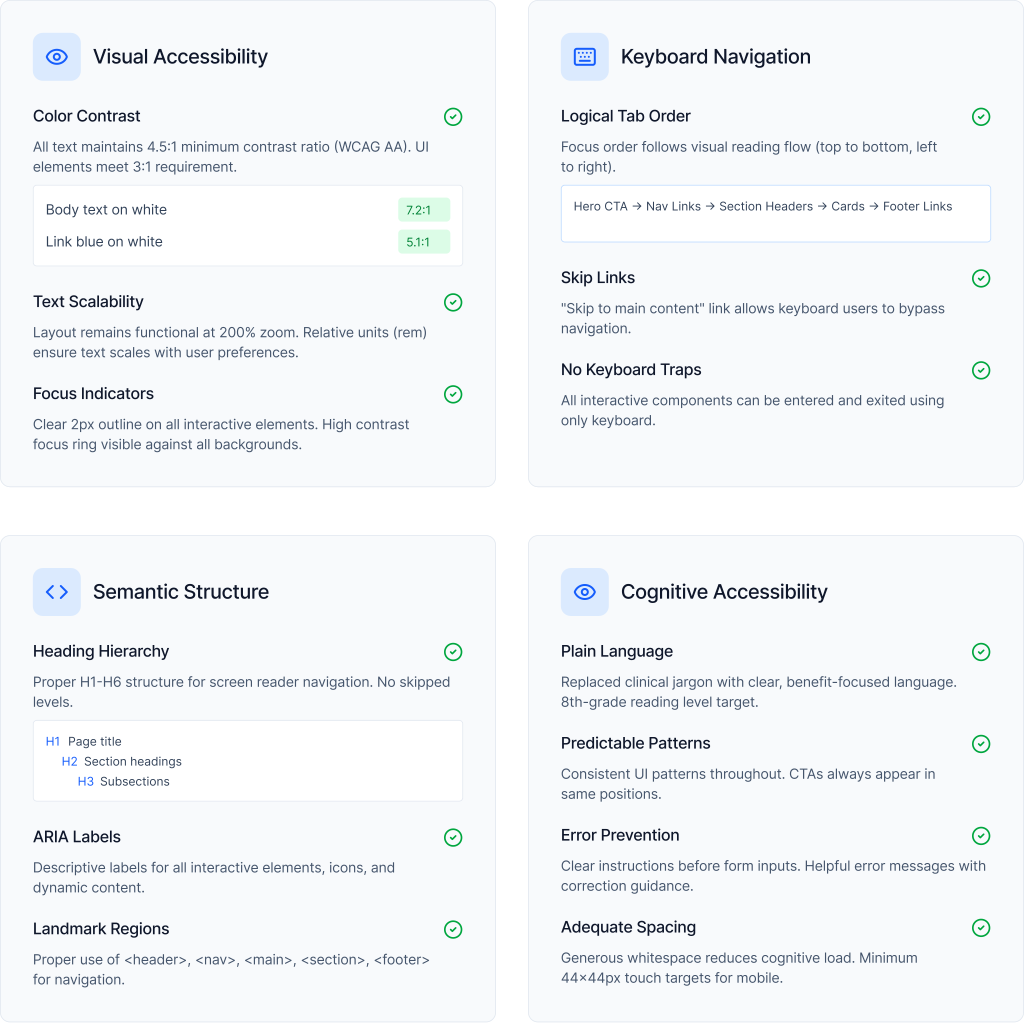
The challenge was that employers and HR decision-makers struggled to navigate the Optum Behavioral Health experience due to dense, jargon-heavy content, unclear pathways, and a weak value proposition, which increased cognitive overload and decision friction. Users reported confusion about offerings, encountered accessibility issues such as poor contrast and focus order, experienced high bounce rates on key decision pages, and lacked a clear path from awareness to action, ultimately reducing trust and confidence in selecting behavioral health solutions.
Goals & Success
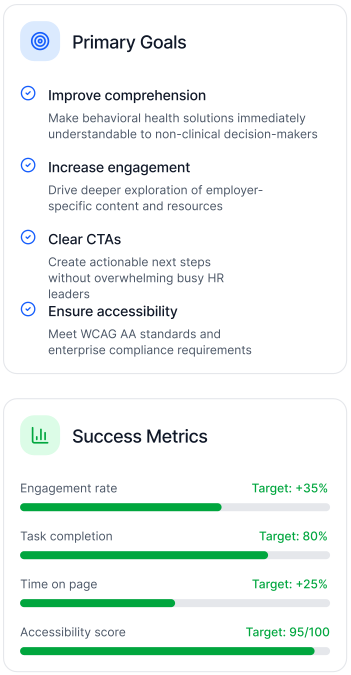
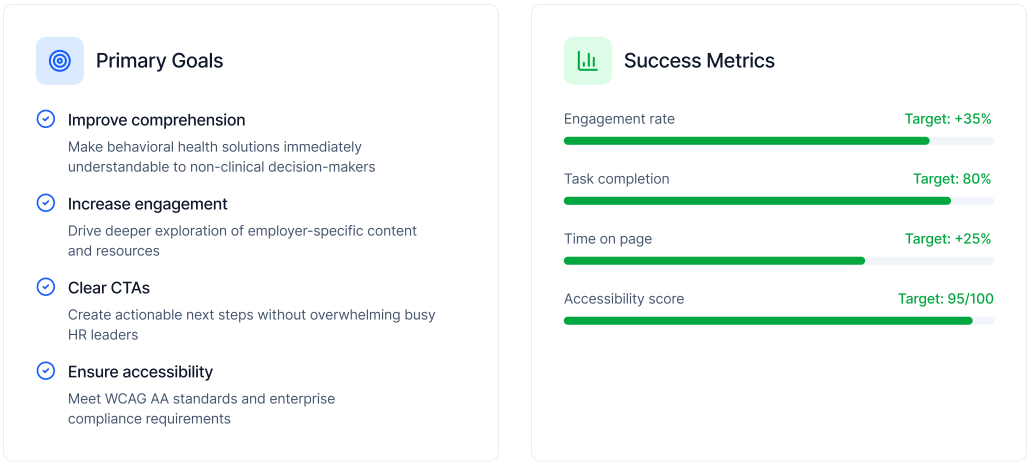
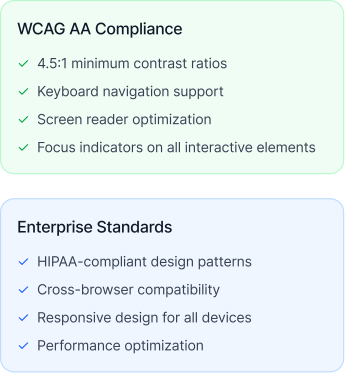
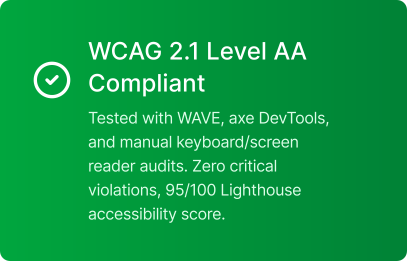
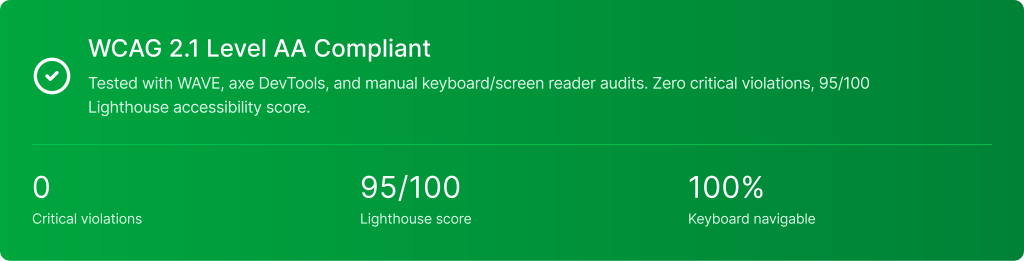
The goal was to create a clear, confidence-building experience that reduced complexity without sacrificing the depth required by enterprise stakeholders, while meeting strict accessibility standards. Employers navigating behavioral health solutions face dense information, high emotional stakes, and low tolerance for friction, requiring faster comprehension. The work was constrained by enterprise healthcare compliance requirements, strict WCAG accessibility alignment, and the need to support multiple stakeholder audiences.
Research & Insights
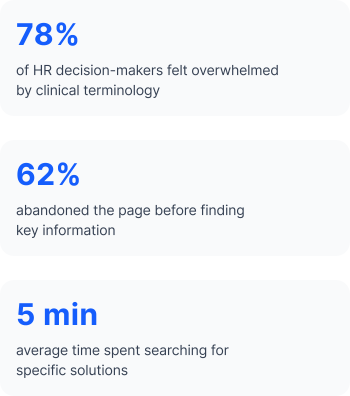
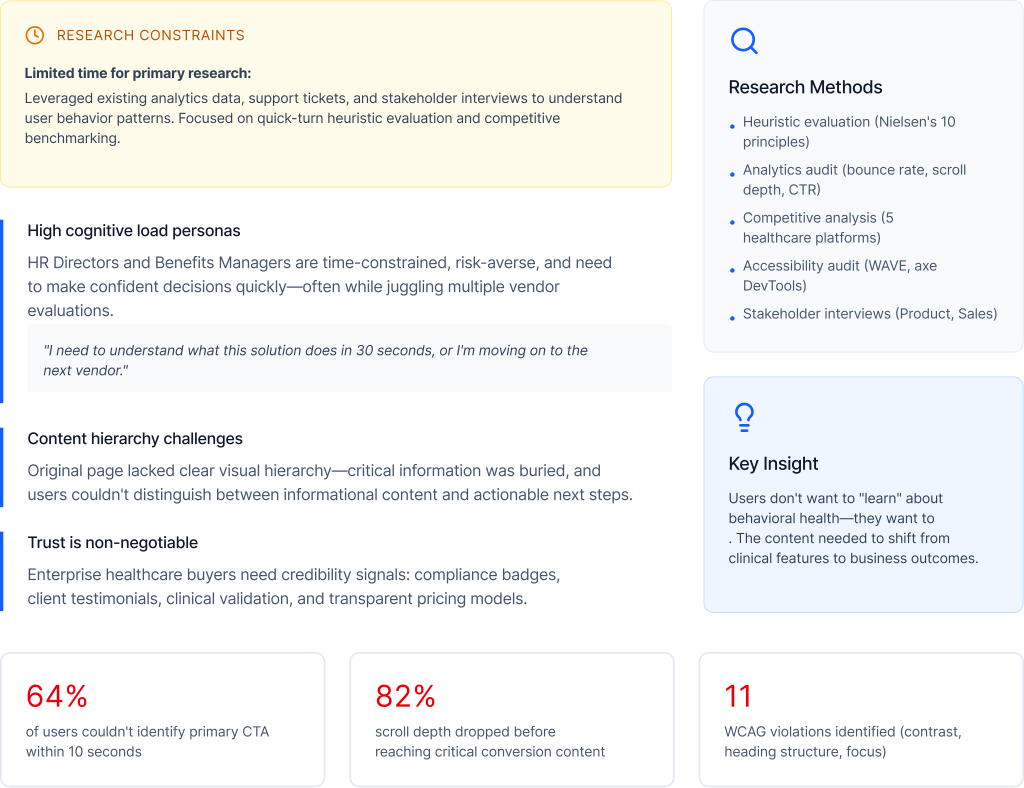
Gaining a deeper understanding of what users needed during this pivotal moment in their journey was essential to tailoring effective solutions and ensuring their needs were met effectively.
Design Process
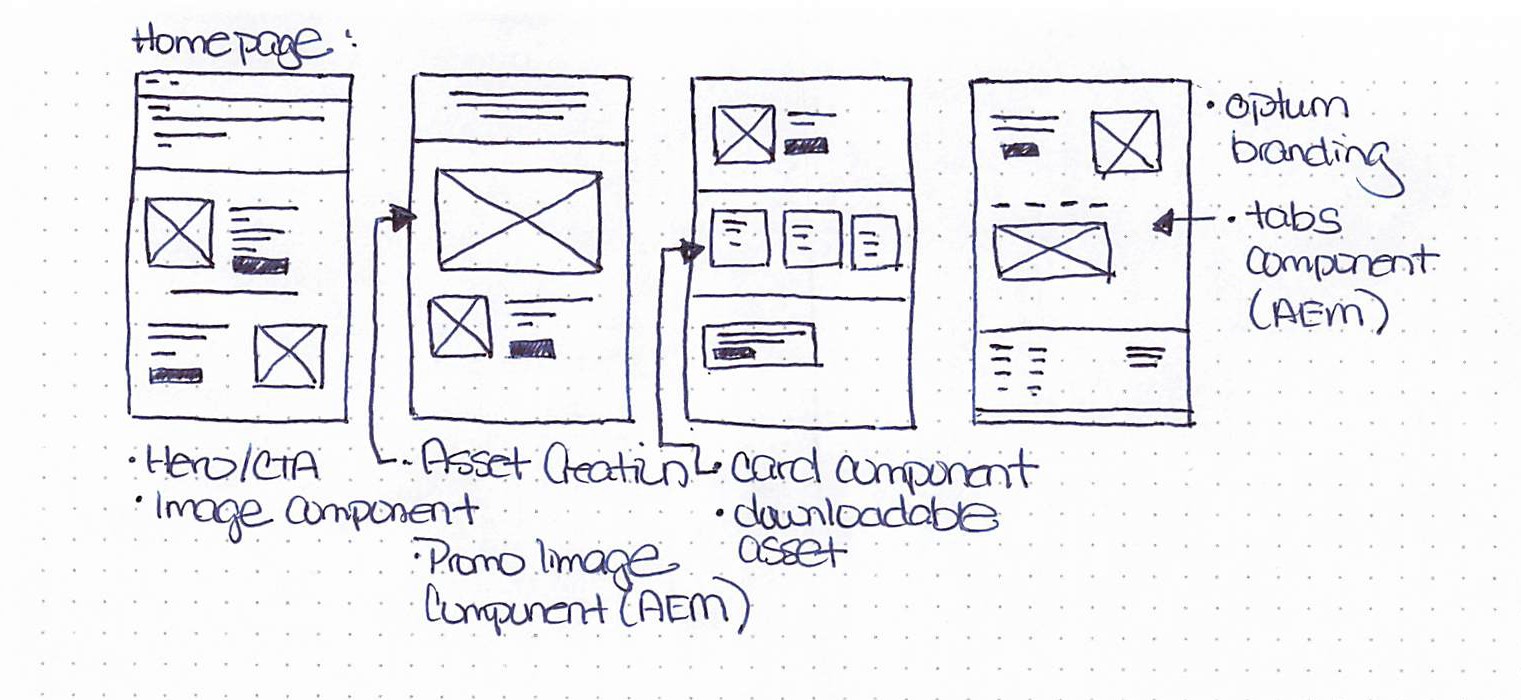
To understand enterprise decision-makers within tight timelines, I conducted a focused evaluation of the existing experience, reviewed competitive employer benefits platforms, and synthesized available Optum user research. This approach surfaced key pain points around clarity, trust, and accessibility.
Accessibility & Compliance
Final Solution
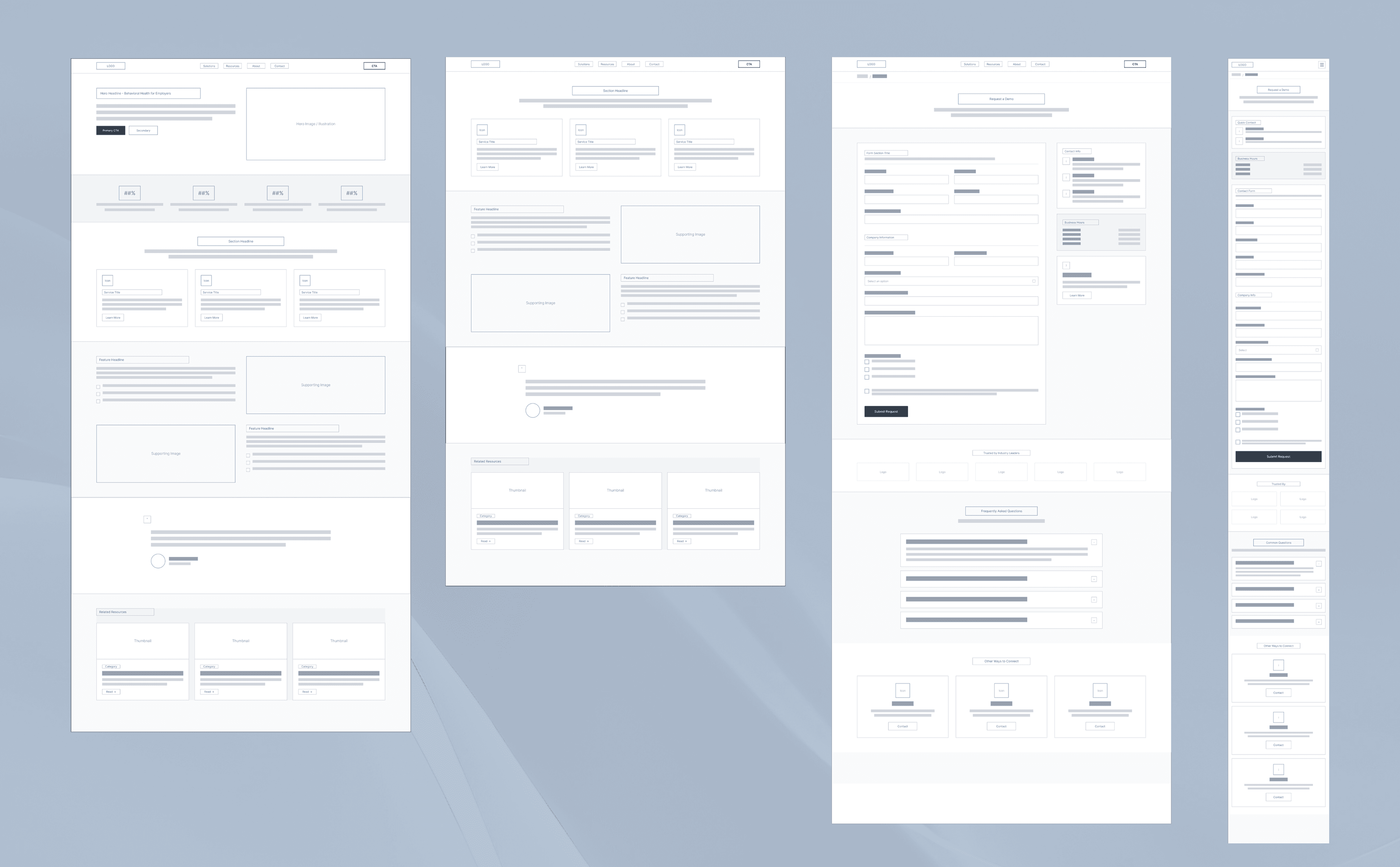
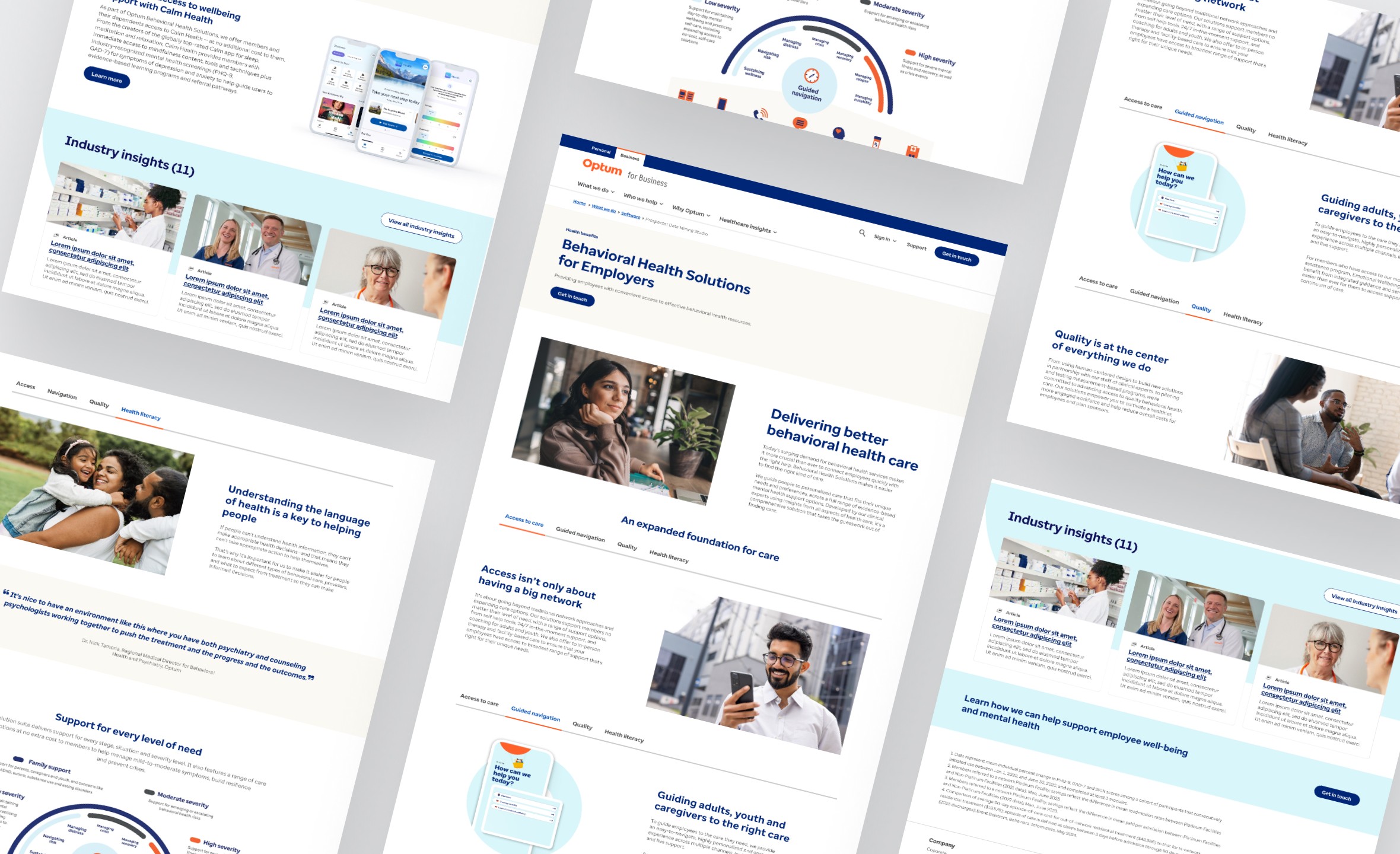
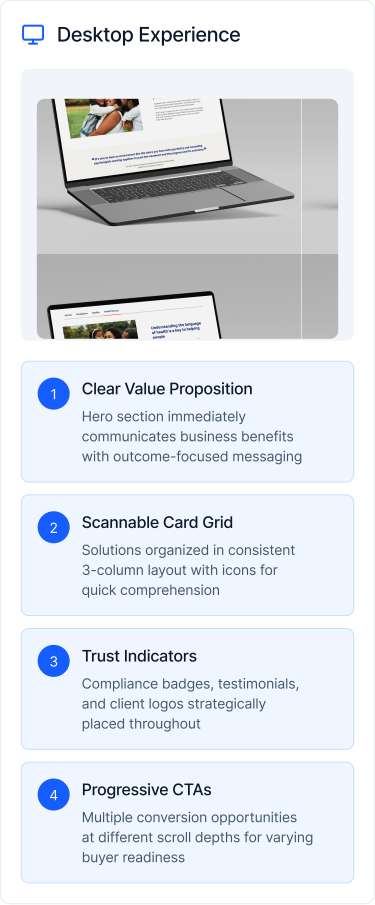
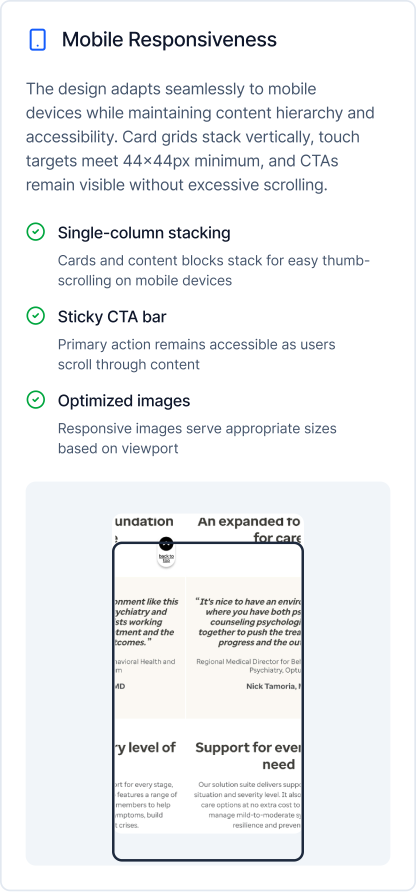
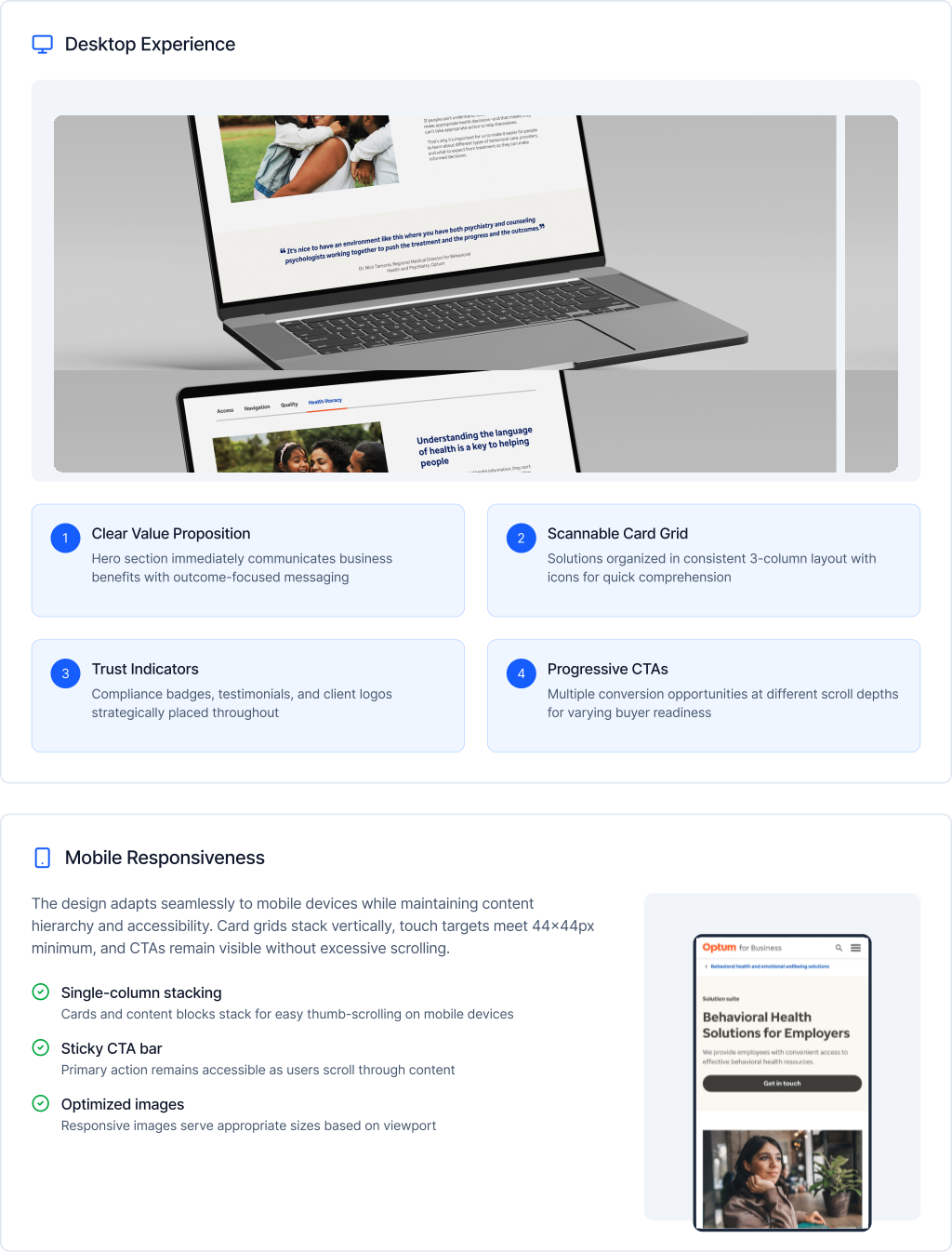
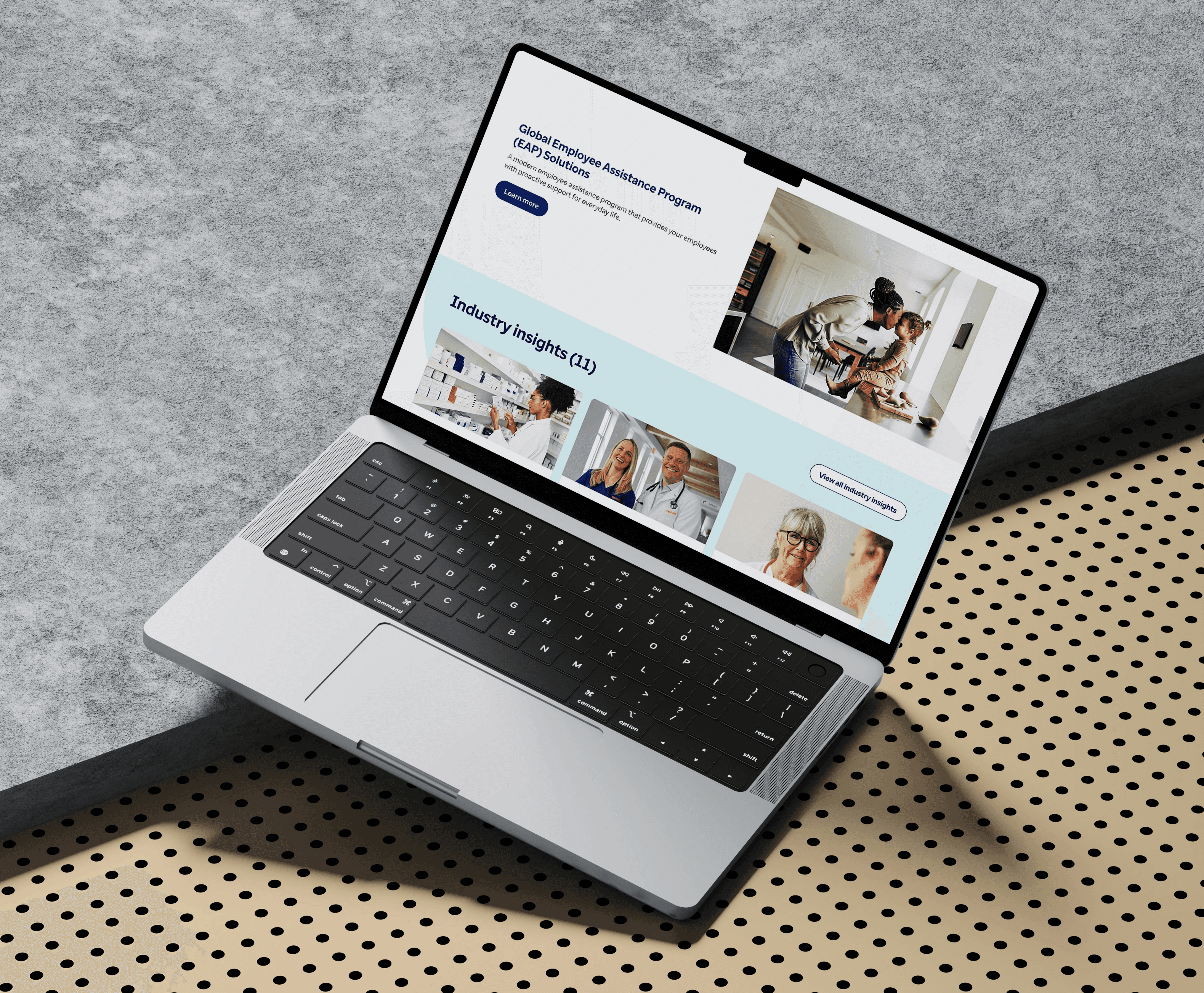
The redesigned experience balances clarity, trust, and accessibility while supporting enterprise decision-making. The result is a scalable behavioral health page that communicates value quickly, reduces friction, and supports Optum’s role as a trusted healthcare partner.
Outcome & Impact
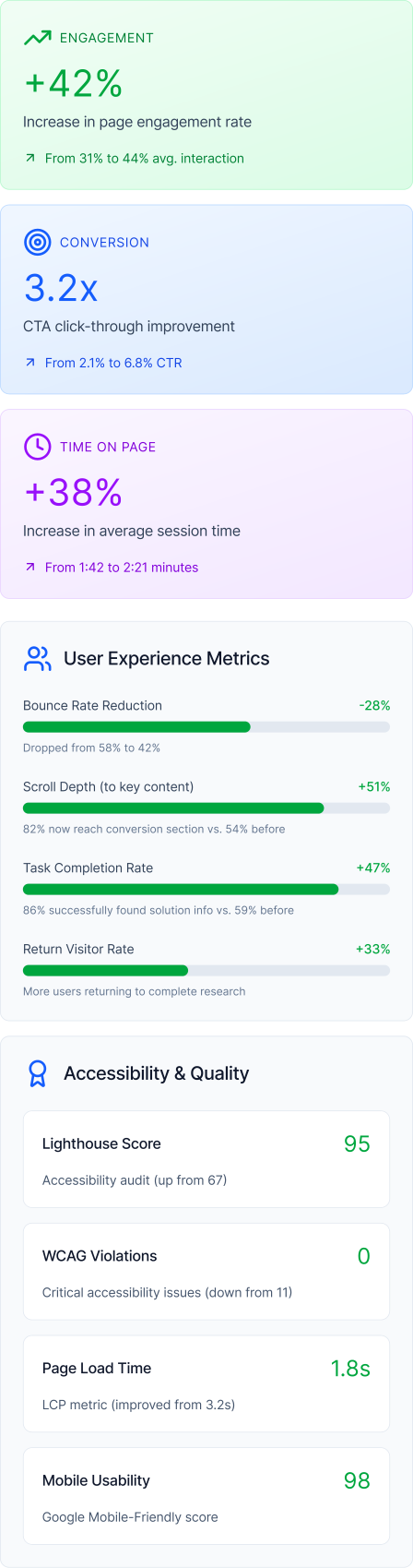
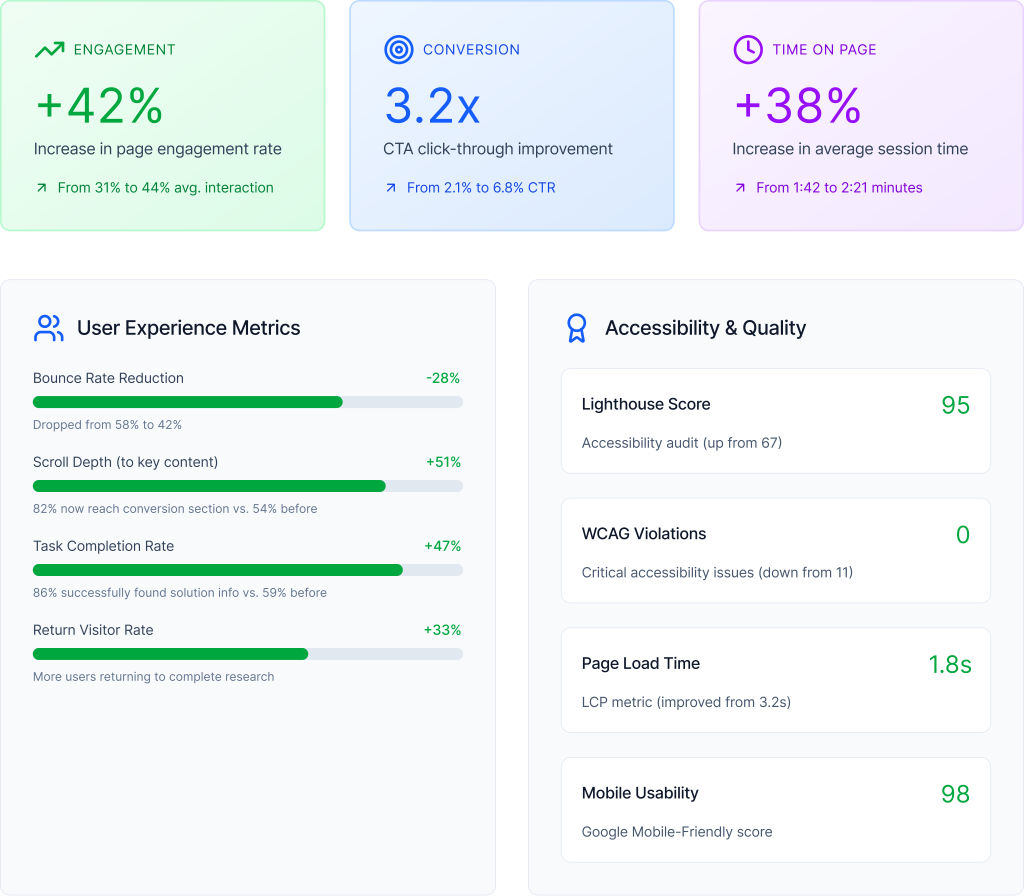
Measuring qualitative and quantitative results post-launch.
Reflection & Next Steps
This project underscored the critical importance of exercising restraint in enterprise user experience design. By emphasizing clear visual hierarchy, thoughtful pacing, and decisions centered around accessibility, it demonstrated that these approaches consistently outperform mere visual complexity, particularly within the nuanced and demanding context of healthcare settings.